
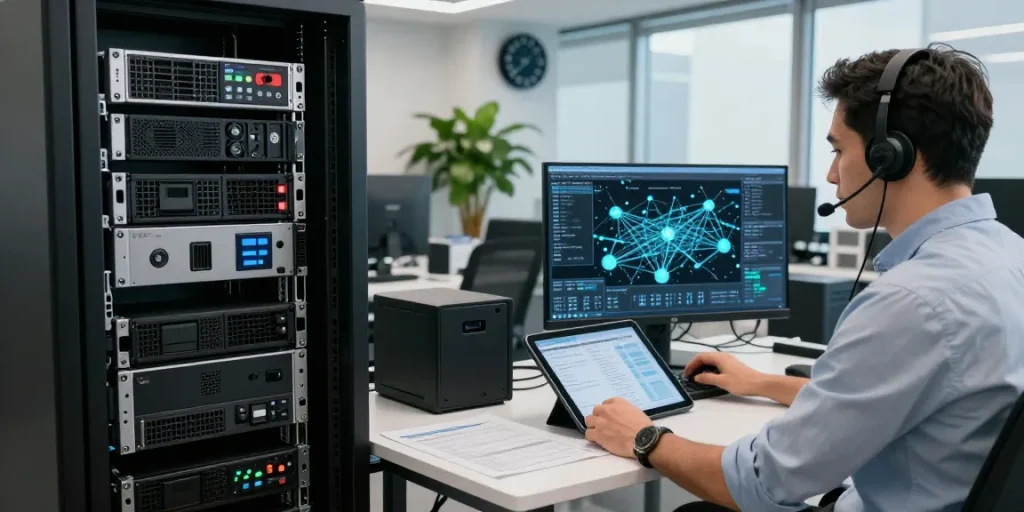

Understanding Edge Computing: Concepts and Definitions
In today’s increasingly connected world, the way we process data has evolved dramatically. Traditional computing models, primarily reliant on centralized data centers, are giving way to innovative frameworks that prioritize speed and efficiency. Edge computing has emerged as a solution that places data processing closer to the data source, drastically reducing latency and improving real-time analytics. By understanding edge computing, its components, and its operational principles, organizations can harness its advantages and become more adept in their technological endeavors.
What is Edge Computing and How Does it Work?
Edge computing is defined as a distributed computing model that brings computation and data storage closer to the sources of data generation, such as Internet of Things (IoT) devices, sensors, and local servers. This decentralization allows for quicker data processing and analysis, enabling faster decision-making and more responsive applications. Rather than transmitting all data to a central cloud location for processing, edge computing processes data at or near the source, ensuring that bandwidth is utilized efficiently and enhancing the overall user experience.
Distinguishing Edge Computing from Cloud Computing
While both edge computing and cloud computing serve the purpose of data processing and storage, they operate on different principles. Cloud computing relies on centralized data centers, where data is transmitted and processed in bulk. In contrast, edge computing processes data locally, significantly reducing the time required for data transmission. This is particularly effective for applications that require real-time decision-making, such as autonomous vehicles and smart city infrastructure, where every millisecond counts.
Key Components of Edge Computing Infrastructure
- Edge Devices: These include sensors, cameras, and other IoT devices that generate data. They play a critical role in capturing real-time information for processing.
- Edge Gateways: Acting as intermediaries, edge gateways collect data from edge devices, perform initial processing, and transmit the necessary information to the cloud as needed.
- Edge Servers: These are computing resources located close to data sources that facilitate real-time data processing and analytics.
- Network Connectivity: A robust network infrastructure is essential for efficient communication between edge devices and cloud services.
Benefits of Implementing Edge Computing Solutions
Reducing Latency and Enhancing Performance
One of the primary benefits of edge computing is its ability to significantly reduce latency. By processing data closer to where it is generated, response times are minimized, which is essential for applications involving real-time analytics. This reduction in latency can enhance user experiences, allowing for smoother interactions in various applications such as augmented reality, gaming, and autonomous systems.
Improving Data Security at the Source
Data security is increasingly important in our digital landscape. With edge computing, sensitive data can be processed locally, which reduces the risk of interception during transmission. This localized approach to data handling allows organizations to implement tighter security measures and control access to sensitive information.
Cost-Effectiveness in Data Management
Implementing edge computing solutions can lead to significant cost savings in data management. By processing data at the source rather than transmitting it to a central location, organizations can reduce bandwidth costs and lessen the load on cloud services. Additionally, by optimizing data processing, they can enhance operational efficiency and reduce overall expenses.
Challenges in Adopting Edge Computing Technologies
Addressing Technical Limitations and Compatibility Issues
Despite its advantages, the adoption of edge computing technologies is not without challenges. Organizations may face technical limitations related to network infrastructure and the interoperability of various edge devices. Ensuring that all devices can communicate effectively and seamlessly is essential for a successful edge computing implementation.
Overcoming Infrastructure and Resource Constraints
Implementing edge computing solutions often requires a significant investment in infrastructure, including new hardware and software. This can be a barrier for smaller businesses with limited resources. Organizations must carefully evaluate their capacity to adopt and maintain edge computing systems to avoid overwhelming their operational capabilities.
Managing Data Privacy Regulations and Compliance
As data privacy regulations become stricter across the globe, organizations must ensure that their edge computing strategies comply with all relevant laws and standards. This can involve implementing robust data handling protocols and ensuring that all edge devices are secure and able to meet regulatory requirements.
Real-World Applications and Use Cases of Edge Computing
Edge Computing in IoT: Revolutionizing Smart Devices
The Internet of Things (IoT) has benefited greatly from the implementation of edge computing. Smart devices, ranging from home automation systems to industrial sensors, leverage edge computing to process data locally, enabling them to react and adapt quickly to changing conditions. This has revolutionized industries such as healthcare, manufacturing, and agriculture, where immediate responsiveness is crucial.
Enhanced User Experiences in Smart Cities
Smart cities are employing edge computing to enhance urban infrastructure and improve citizen services. By utilizing real-time data from various sensors and devices, city planners can make more informed decisions regarding traffic control, waste management, and public safety, leading to more efficient and livable urban environments.
Use Case Examples from Industry Leaders
Many industry leaders are already harnessing edge computing to gain a competitive edge. For example, companies like GE have integrated edge computing into their industrial IoT solutions, allowing them to monitor equipment in real-time and predict maintenance needs before failures occur. Similarly, retail giants like Walmart use edge computing to optimize inventory management and improve customer experiences by analyzing shopper behavior in real-time.
Future Trends and Predictions for Edge Computing in 2026
Emerging Technologies and Innovations on the Horizon
The landscape of edge computing is continually evolving, with emerging technologies such as 5G networks set to further enhance its capabilities. The proliferation of faster connectivity will allow for even more data to be processed at the edge, making real-time analytics more accessible across various industries.
The Role of AI in Edge Computing Advancement
Artificial intelligence (AI) is poised to play a significant role in the future of edge computing. By integrating AI algorithms directly into edge devices, organizations can enable intelligent decision-making at the source, enhancing the capabilities of smart devices and applications. This synergy will foster innovations that redefine user experiences and operational efficiencies.
Strategic Partnerships Driving Edge Computing Growth
To fully capitalize on the benefits of edge computing, many companies are forming strategic partnerships with technology providers and platform developers. These collaborations can lead to more comprehensive and integrated solutions that address the unique challenges of edge computing deployments, paving the way for successful implementations in diverse sectors.
What industries can benefit from edge computing?
Edge computing has the potential to transform various industries including healthcare, manufacturing, transportation, and telecommunications. By enabling faster data processing and analytics, businesses can enhance operations and deliver better services to clients and customers.
How does edge computing enhance IoT devices?
Edge computing enhances IoT devices by allowing them to process data locally, reducing latency and improving responsiveness. This real-time data handling enables IoT applications to operate more efficiently, providing insights and analytics much faster than traditional cloud-based approaches.
What are the security implications of using edge computing?
While edge computing can improve security by processing data closer to the source, it also introduces challenges. Organizations must implement robust security protocols at multiple edge locations to protect sensitive information and ensure compliance with data privacy regulations.
How can small businesses implement edge computing?
Small businesses can implement edge computing by starting with pilot projects that focus on specific applications or processes, allowing them to evaluate the benefits without large-scale investment. Leveraging existing IoT devices and investing in edge gateways or servers can facilitate a smoother transition to edge computing.
What are the cost factors associated with edge computing?
The cost factors associated with edge computing can vary significantly based on the scale of deployment and infrastructure requirements. Businesses must consider hardware, software, installation, and ongoing maintenance costs when evaluating the feasibility of edge computing solutions.

